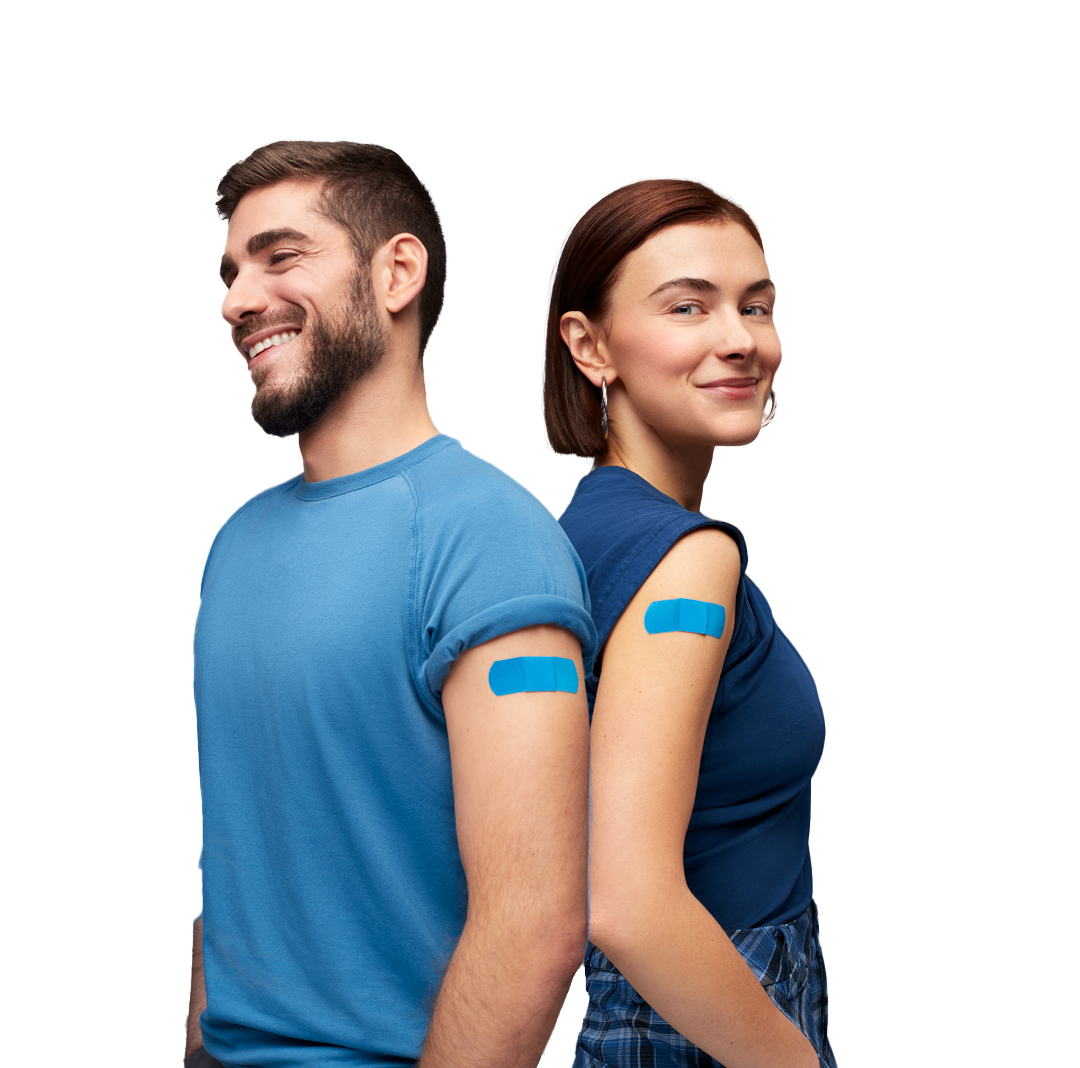
Help protect yourself against CERTAIN HPV-related cancers and diseases with Gardasil®9
GARDASIL®9 is the first and only vaccine that helps protect individuals aged 9–45 against 9 human papillomavirus (HPV) types that can cause certain cancers & diseases.
How to get vaccinated
Connect with a healthcare professional today to discuss HPV vaccination and find a vaccination site near you. You can also follow our step-by-step guide on how to get GARDASIL®9.
Who should get vaccinated
About 75% of sexually active Canadians will have at least one HPV infection during their lifetime.
Many people who have HPV don’t even realize it because the infection often has no signs or symptoms – which means they can pass on the virus to others without knowing it.
All eligible individuals aged 9 through 45 should consider getting GARDASIL®9 to help protect themselves against genital warts and certain HPV-related cancers.
HPV causes nearly 100% of cervical cancer cases as well as other cancers & diseases.
Learn more

Vaccinating your child now can help protect them against certain HPV-related cancers & diseases in the future.
Learn more
You may be covered!

Public coverage for GARDASIL®9 is available and varies by province or territory, and by age or risk factors.

You may have private health insurance through work or school. Many private insurance plans reimburse some or all of the cost of GARDASIL®9.
Know the facts

FACT: HPV doesn’t discriminate between the sexes. Men and women who are sexually active are equally at risk of getting an HPV infection.
Learn more

FACT: HPV is the most common sexually transmitted infection in the world. It is estimated that 75% of sexually active Canadians will have at least one HPV infection in their lifetime.
Learn more
FACT: Condoms may not be enough to protect you against HPV – they only protect the area they cover.
Learn more
FACT: HPV types 6, 11, 16, 18, 31, 33, 45, 52 and 58 cause at least 70% of certain head and neck cancers, such as throat and back of mouth cancers.
Learn more
What if you could help prevent certain HPV-related cancers with a vaccine?

What if you could help prevent certain HPV-related cancers with a vaccine?
IN MEMORY OF CHRISTA*
Even if you think you’re too young, you could still be at risk. This is Christa’s C-story.
Diagnosed with cervical cancer at age 33.
“On the day I gave birth to my son, I was diagnosed with cervical cancer. Nothing could have been more of a shock to me. I struggled to share the news of my diagnosis with loved ones because I didn’t want this serious news to take away from the very exciting news that I had given birth to a beautiful baby boy.”
Christa was an incredible mother. Although she sadly did not survive her battle with cancer, she was a fighter and was open and honest about her illness.